

As I delve into the world of server management, I find myself increasingly drawn to Amla Linux 9, a distribution that has garnered attention for its robust features and user-friendly interface. Amla Linux 9 is designed with both novice and experienced users in mind, offering a seamless experience for managing servers. Its architecture is built on the foundation of stability and security, making it an ideal choice for those who prioritize these aspects in their server environments.
The release of Amla Linux 9 has brought with it a suite of tools and functionalities that cater specifically to the needs of server administrators, particularly in the realm of security. One of the standout features of Amla Linux 9 is its commitment to providing comprehensive auditing tools. These tools are essential for monitoring server activity, ensuring compliance with security policies, and identifying potential vulnerabilities.
As I explore Amla Linux 9 further, I am excited to uncover how these auditing capabilities can enhance my server’s security posture and provide peace of mind in an increasingly complex digital landscape.
Key Takeaways
- Amla Linux 9 is a powerful operating system designed for server security and auditing.
- Server security is crucial for protecting sensitive data and preventing unauthorized access.
- Amla Linux 9 offers a range of auditing tools to monitor and analyze server activity.
- Configuring Amla Linux 9’s auditing tools is essential for ensuring server security.
- Implementing security measures based on Amla Linux 9’s auditing tool reports is key to maintaining a secure server environment.
Understanding the Importance of Server Security
In today’s interconnected world, the importance of server security cannot be overstated. As I navigate through various online platforms and services, I am acutely aware that servers are often the backbone of these operations. They store sensitive data, manage user interactions, and facilitate transactions.
Consequently, any breach or compromise can lead to devastating consequences, not only for the organization but also for its clients and users. Understanding this reality has driven me to prioritize server security in my own practices. Moreover, the landscape of cyber threats is constantly evolving.
New vulnerabilities emerge regularly, and attackers are becoming increasingly sophisticated in their methods. This dynamic environment necessitates a proactive approach to security. I have come to realize that merely implementing basic security measures is no longer sufficient; continuous monitoring and auditing are essential to stay ahead of potential threats.
By adopting a comprehensive security strategy that includes regular assessments and updates, I can better protect my servers from unauthorized access and data breaches.
Overview of Amla Linux 9’s Auditing Tools
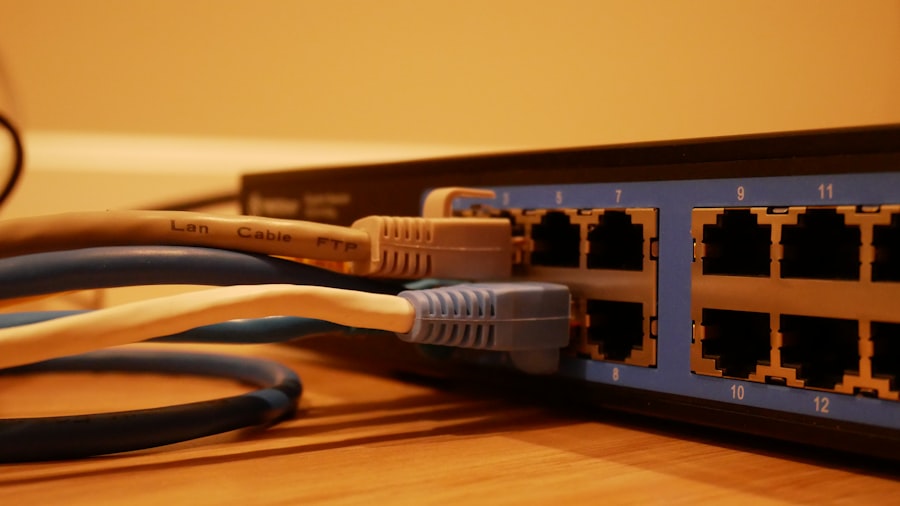
Amla Linux 9 comes equipped with a range of auditing tools that are designed to enhance server security through meticulous monitoring and reporting. As I familiarize myself with these tools, I appreciate their ability to provide insights into system activity, user behavior, and potential security incidents. The auditing framework within Amla Linux 9 allows me to track changes made to system files, monitor user logins, and analyze access patterns—all critical components in maintaining a secure server environment.
One of the key features of Amla Linux 9’s auditing tools is their flexibility. They can be tailored to meet specific needs, allowing me to focus on particular areas of concern or compliance requirements. For instance, I can configure the tools to generate alerts for unusual login attempts or unauthorized file modifications.
This level of customization empowers me to take a proactive stance on security, ensuring that I am not only reacting to incidents but also anticipating them before they escalate.
Configuring Amla Linux 9’s Auditing Tools for Server Security
Configuring Amla Linux 9’s auditing tools is a crucial step in establishing a robust security framework for my server. As I embark on this process, I find that the user-friendly interface simplifies what could otherwise be a daunting task. The initial setup involves defining the parameters for what activities I want to monitor and how I want to receive alerts.
This customization ensures that I am focusing on the most relevant aspects of my server’s security. Once I have established the basic configuration, I can delve deeper into the advanced settings offered by Amla Linux 9’s auditing tools. For example, I can specify which files or directories require heightened scrutiny based on their sensitivity or importance to my operations.
Additionally, I can set up automated reports that summarize audit findings over specific time frames. This not only saves me time but also provides a clear overview of my server’s security status at a glance.
Monitoring and Analyzing Server Activity with Amla Linux 9’s Auditing Tools
With the auditing tools configured, I can now focus on monitoring and analyzing server activity effectively. The real-time monitoring capabilities of Amla Linux 9 allow me to keep a close eye on user interactions and system changes as they happen. This immediacy is invaluable; it enables me to respond swiftly to any suspicious activity or anomalies that may arise.
As I analyze the data generated by the auditing tools, I find that it provides a wealth of information about user behavior and system performance. By examining login patterns, file access logs, and system modifications, I can identify trends that may indicate potential security risks. For instance, if I notice an unusual spike in login attempts from a specific IP address, it raises a red flag that warrants further investigation.
This analytical approach not only enhances my understanding of my server’s security landscape but also equips me with the knowledge needed to make informed decisions about necessary interventions.
Implementing Security Measures Based on Amla Linux 9’s Auditing Tool Reports

The insights gained from Amla Linux 9’s auditing tool reports are instrumental in shaping my security measures. After reviewing the data collected over time, I can identify vulnerabilities and areas for improvement within my server environment. For example, if the reports indicate frequent unauthorized access attempts, it may be time to implement stricter authentication protocols or enhance password policies.
Additionally, the reports often highlight areas where user training may be beneficial. If certain users consistently trigger alerts due to misconfigurations or unintentional errors, providing targeted training can help mitigate these issues moving forward. By taking a proactive approach based on the findings from the auditing tools, I can create a more secure environment that not only protects sensitive data but also fosters a culture of security awareness among users.
Best Practices for Securing a Dedicated Server with Amla Linux 9’s Auditing Tools
As I reflect on my journey with Amla Linux 9’s auditing tools, I’ve come to appreciate several best practices that can significantly enhance the security of a dedicated server. First and foremost, regular updates are essential. Keeping both the operating system and auditing tools up-to-date ensures that I benefit from the latest security patches and features designed to combat emerging threats.
Another best practice involves establishing a routine for reviewing audit logs and reports. By setting aside dedicated time each week or month to analyze this data, I can stay informed about my server’s security status and address any issues promptly. Additionally, implementing multi-factor authentication (MFA) adds an extra layer of protection against unauthorized access, making it more challenging for potential attackers to compromise my server.
Lastly, fostering a culture of security awareness among all users is paramount. Educating team members about best practices for password management, recognizing phishing attempts, and understanding the importance of reporting suspicious activity can significantly reduce the risk of human error leading to security breaches.
Conclusion and Next Steps
In conclusion, my exploration of Amla Linux 9 has revealed its immense potential as a powerful tool for enhancing server security through its comprehensive auditing capabilities. By understanding the importance of server security and leveraging these tools effectively, I am better equipped to protect my dedicated server from evolving threats. The process of configuring and monitoring these auditing tools has not only improved my technical skills but has also instilled a sense of confidence in my ability to manage server security proactively.
As I look ahead, my next steps involve continuing to refine my use of Amla Linux 9’s auditing tools while staying informed about emerging security trends and best practices. Regularly revisiting my configurations and adapting them as necessary will ensure that my server remains resilient against potential threats. Ultimately, embracing a proactive approach to server security will empower me to safeguard sensitive data while fostering trust among users who rely on my services.
For those interested in enhancing their server management skills beyond securing a dedicated server with AlmaLinux 9’s auditing tools, you might find it beneficial to explore how to efficiently manage email services on your server. A related article that delves into this topic is Sending Email Using CyberPanel. This article provides a comprehensive guide on setting up and managing email services, which is an essential aspect of server management and security. By understanding both server security and email management, you can ensure a more robust and secure server environment.
FAQs
What is Amla Linux 9?
Amla Linux 9 is a Linux distribution that is designed for security and auditing purposes. It provides a range of tools and features to help secure and monitor a dedicated server.
What are the auditing tools available in Amla Linux 9?
Amla Linux 9 comes with a variety of auditing tools, including auditd, a powerful tool for monitoring and logging security-related events on the server. It also includes tools for analyzing and reporting on audit logs.
How can Amla Linux 9’s auditing tools help secure a dedicated server?
By using Amla Linux 9’s auditing tools, administrators can monitor and track all activity on the server, including user logins, file access, and system changes. This can help identify and respond to security threats and vulnerabilities.
What are some best practices for using Amla Linux 9’s auditing tools?
Some best practices for using Amla Linux 9’s auditing tools include regularly reviewing audit logs, setting up alerts for suspicious activity, and integrating auditing into a broader security strategy.
Can Amla Linux 9’s auditing tools be used in combination with other security measures?
Yes, Amla Linux 9’s auditing tools can be used in combination with other security measures, such as firewalls, intrusion detection systems, and encryption, to create a comprehensive security posture for a dedicated server.